Collection-system protection
Capture and manage FOG before chronic buildup contributes to pipe blockages, sanitary sewer overflows and avoidable stress on downstream equipment.

BG BIOFUELS
The right technology - or combination of technologies - for your waste stream. Integrated solutions for waste handling, resource recovery and energy production.
WHO WE ARE
BG Biofuels develops integrated solutions for waste handling, resource recovery and energy production. We begin with each customer's waste streams, operating requirements and local needs, then evaluate the most efficient and effective practical solution.
Our two core development areas are FOG receiving and brown grease recovery for biodiesel, and pyrolysis for suitable sludge and residual materials. These can operate independently or be integrated where the feedstocks and site requirements support it. Biogas is an additional option for selected projects. Feedstock characteristics, available infrastructure, environmental requirements and markets for recovered products guide each configuration.
We bring a full-project approach, from initial due diligence and feasibility through engineering, construction, commissioning and ongoing operations. Our work serves wastewater operators, food manufacturers and processors, food service establishments, commercial and institutional kitchens, and waste haulers.
Capture and manage FOG before chronic buildup contributes to pipe blockages, sanitary sewer overflows and avoidable stress on downstream equipment.
Create controlled, documented receiving options that support grease haulers, municipal FOG programs and regional waste-management needs.
Recover brown grease and prepare suitable material for qualified biodiesel, renewable-fuel, biogas and other beneficial-use markets.
Configure modular technology to work alongside existing wastewater infrastructure, digestion and solids-management operations.
THE BG BIOFUELS PLATFORMS
We focus on FOG receiving facilities and biodiesel, and on pyrolysis. We evaluate each as a standalone facility or as part of an integrated project, including opportunities to coordinate material handling, treatment and energy recovery. Biogas is considered for selected projects where the feedstocks, operating needs and energy use make it a suitable fit.
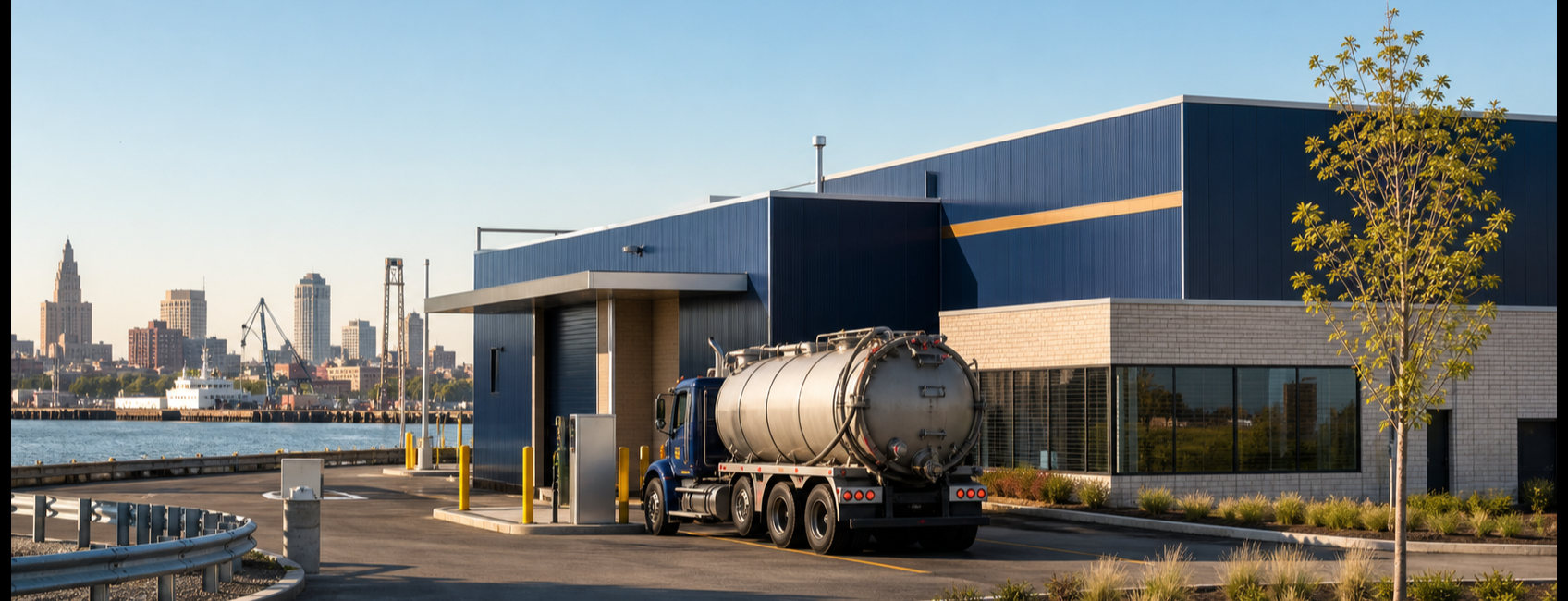
We receive FOG (fats, oils, and grease) mixed with wastewater and other organic waste. We separate this waste stream into brown grease, water, and residual organic solids. The recovered brown grease is used for our own biodiesel production or sold as feedstock to other biodiesel producers. Feedstock quality, processing needs, scale and market requirements determine the appropriate route.
Our pyrolysis platform provides a thermal-processing option for suitable sludge and residual materials. We evaluate feedstock preparation, system performance, emissions controls and recovered-product or residual outlets to determine where this technology fits.
Biogas is an additional option for selected projects. Anaerobic digestion converts suitable organic waste streams into biogas for energy recovery. We assess this option where feedstock suitability, operating requirements, digestate management and energy use support the project.
Pyrolysis uses heat in the absence of oxygen to break down organic material. Depending on the feedstock and process conditions, it produces a carbon-rich solid (char), condensable liquids and gases. Our primary North American focus is suitable sewage sludge and biosolids, alongside wood waste and woody biomass such as wood chips and sawdust, agricultural residues such as straw and corn stalks, and other suitable organic processing residues. Feedstock testing determines suitability and any drying or preparation needed.
A project begins with feedstock testing and evaluation of drying, preparation and handling needs. Engineering then establishes the reactor configuration, emissions controls, energy balance and management of the resulting materials.
The quantity and quality of each output depend on the incoming material and operating conditions. Product markets and permitted uses must be validated for the specific project.
Learn more about pyrolysis — USDAPyrolysis combined with properly designed downstream thermal treatment offers a promising pathway for addressing PFAS in sewage sludge and biosolids. Performance depends on operating conditions, emissions controls, and testing of each feedstock and the solid, liquid and gaseous outputs to verify destruction.
FULL PROJECT SUPPORT
BG Biofuels offers due diligence, feedstock evaluation, site selection, feasibility assessment, permitting coordination, engineering, construction and project management through commissioning and ongoing operations.
We establish the scope around the customer's needs and the selected project configuration.
Let's identify the right resource recovery solution for your waste streams.
INTEGRATED OPERATING PLATFORM
A high-level process designed for controlled separation, material recovery, an approved water-management pathway and responsible residual-solids handling.
Calibrated measurement, screening, intake controls and documentation support transparent, consistent transactions.
Incoming material is separated into grease-rich material, a water stream and residual solids for managed downstream handling.
Controlled separation and product-quality conditioning prepare recovered brown grease for our own biodiesel production or sale as feedstock to other biodiesel producers.
The water stream is treated and managed for the approved pathway and applicable discharge requirements.
Dewatering reduces residual volume and supports approved beneficial-use or disposal pathways.
Automation, monitoring, preventive maintenance and testing support repeatable performance and material traceability.
PRODUCT-QUALITY DISCIPLINE
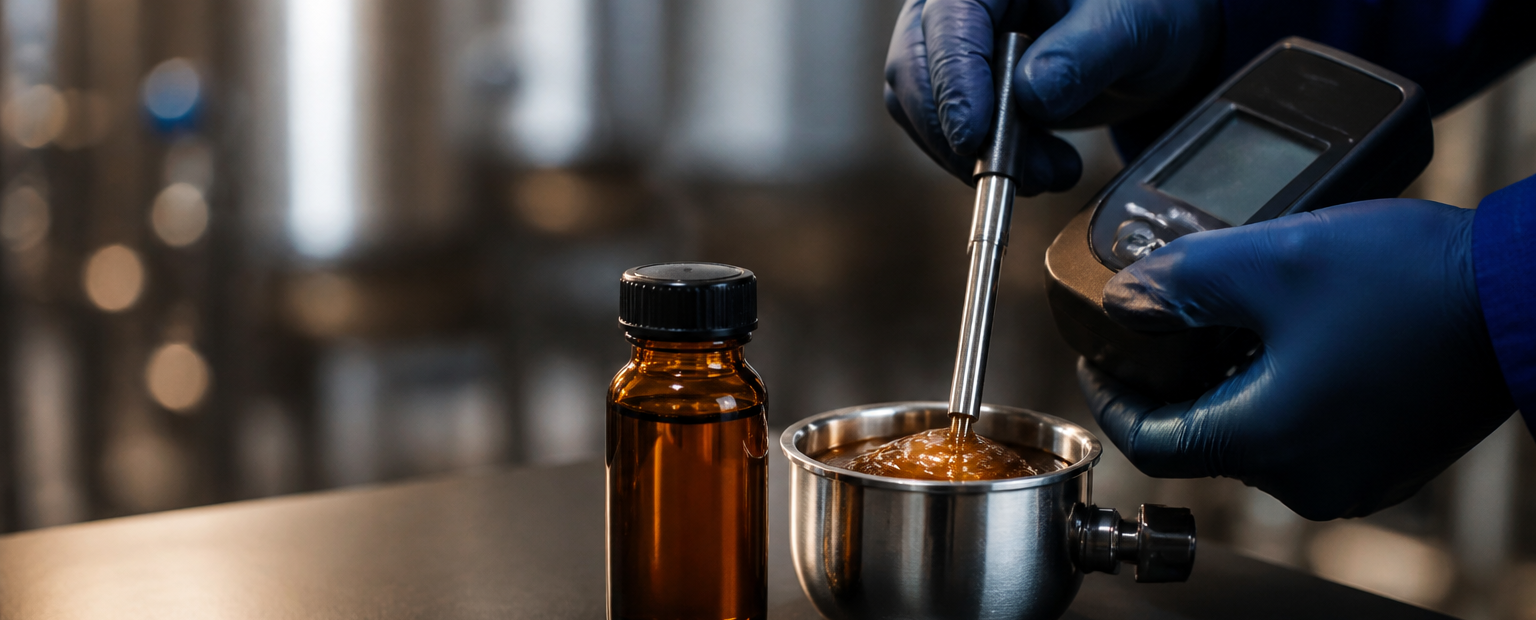
BG Biofuels pairs controlled separation with material tracking, operating records and quality testing. The objective is a more consistent recovered-grease product for renewable-fuel applications.
Final recovery yield, material specifications and buyer acceptance will be established through engineering, commissioning, testing and commercial agreements.
FLAGSHIP DEVELOPMENT
A proposed principal New England operation and the engineering and operating template for future strategically selected facilities.
The Northeast-area concept is planned to serve Rhode Island, Greater Boston, southeastern Massachusetts—including Cape Cod—and eastern Connecticut. Development is progressing through controlled site, feedstock, engineering, permitting and commercial validation.
Start a project conversation →A CONNECTED ECOSYSTEM
Resource recovery succeeds when generators, haulers, wastewater operators and renewable-fuel markets are connected through a dependable, documented operating platform.
HOW WE DEVELOP
Planning assumptions are converted into documented commercial, engineering and regulatory evidence before projects advance.
Confirm site, supply, discharge basis, agencies and project controls.
Advance design, permits, commercial agreements and procurement planning.
Complete civil work, equipment, utilities, controls and team readiness.
Commission, verify performance, train operators and begin receiving.
LET'S TALK
For project development, commercial partnerships and general inquiries:
eric@bgbiofuels.com +1 203-996-2179 (United States)